Social space and food - campus ingredients for belonging
Research
This article summarises Michaela Sheahan's recent talk at the CUBO conference as part of a report developed for their members. Get in touch if you would like to hear more about the data.
The CEI satisfaction scores have displayed peaks and troughs since it began that illustrate the effect social isolation has on belonging and the value of being on campus. Belonging scores dropped dramatically during the pandemic as students spent less time on campus but have since recovered to pre-COVID levels.
Food, and the spaces in which it is consumed, can make or break a student’s day on campus and contribute significantly to social and study activities. Students tell us time and again that these non-academic aspects of campus life heavily influence their feelings of belonging to their faculty or university. Unfortunately, food consistently rates lower than all other measures in our Campus Experience Index, most often weighed down by cost and a lack of variety.
Dan the coffee cart guy is a legend; he should be paid by the uni because I would argue he is creating more community here than the uni is
The cafe on campus is not very good and so often my group of friends leave campus to get coffee/lunch. Maybe if there were better options it would keep more people here in a social setting
Providing the right settings to encourage social interaction is as much an organisational challenge as a spatial one and has been made more difficult by the rising cost of living and the continuing emergence of technologies and social norms that foster isolation. It’s also difficult for commercial food providers to deliver the variety and price that students want as the student population grows and diversifies demographically. Their changing expectations outpace what can be realistically offered, but food programs, pop-ups and culturally appropriate options can help to please the crowd.
I love it when there are food trucks! I get to see a lot of other students I wouldn’t normally see otherwise. I’ve had some nice conversations with other students during events that have catering
There should be an inclusion of more spicy meals that would appeal to international students
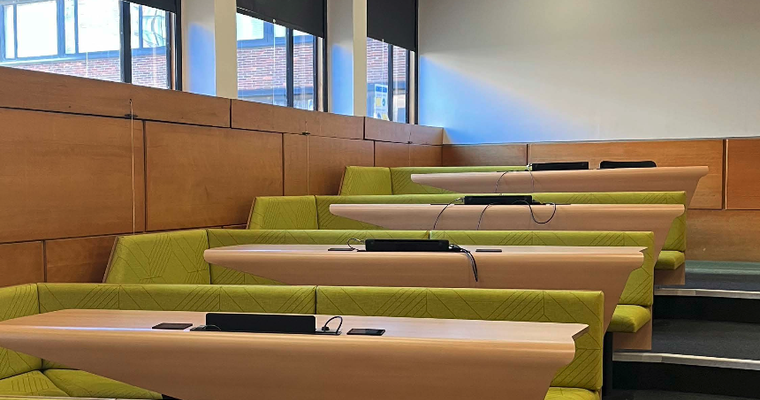
Students now barely distinguish between socialising and studying with friends. Any space outside of the library that can accommodate a group of two or more is considered a ‘study space’ as much as a place to meet friends or eat. Cafes shoulder a large proportion of this activity, and some libraries are relaxing food rules to encourage students to linger on campus, but many universities are also increasing the number of casual meeting spaces within faculty buildings, with kitchens to alleviate the demand on cafes and, critically, eliminate the pressure to buy something. Many students simply don’t have spare money to pay for food and drinks.
Most social spaces are also spaces where people work which is hard to navigate as sometimes you feel like you’re taking up study space.
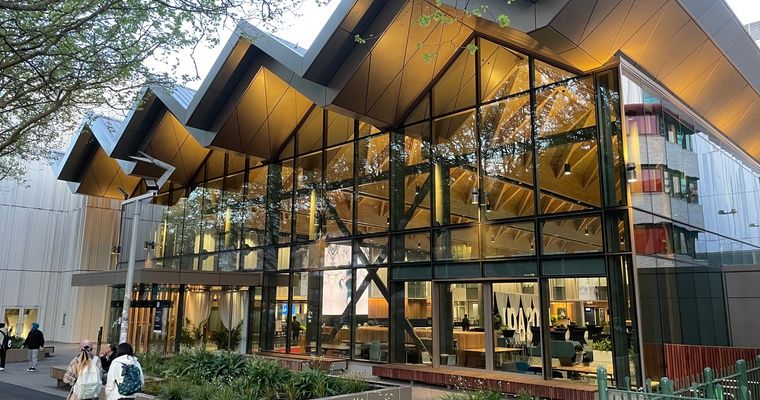
After a sustained period of investment in large, central student hubs, many universities are focusing on smaller, more decentralised spaces that cater to specific groups and activities to foster a sense of community, and scheduling targeted events and programs that cater to the diversifying student population. These include cafes at the base of teaching and learning buildings; student kitchens and BYO dining areas to alleviate the need to purchase food on campus; and outdoor gathering spaces that accommodate food vans, pop-up stalls and markets.
Campus facilities and services planners must facilitate events, spaces, programs and retail offerings that encourage interaction and the sharing of food to strengthen community bonds. In doing so, they will help to address the challenges of loneliness, isolation and digital dependence that are increasingly present in students’ everyday experiences.
This article summarises Michaela Sheahan's recent talk at the CUBO conference as part of a report developed for their members. Get in touch if you would like to hear more about the data.